How to prepare the office for company growth and team changes?

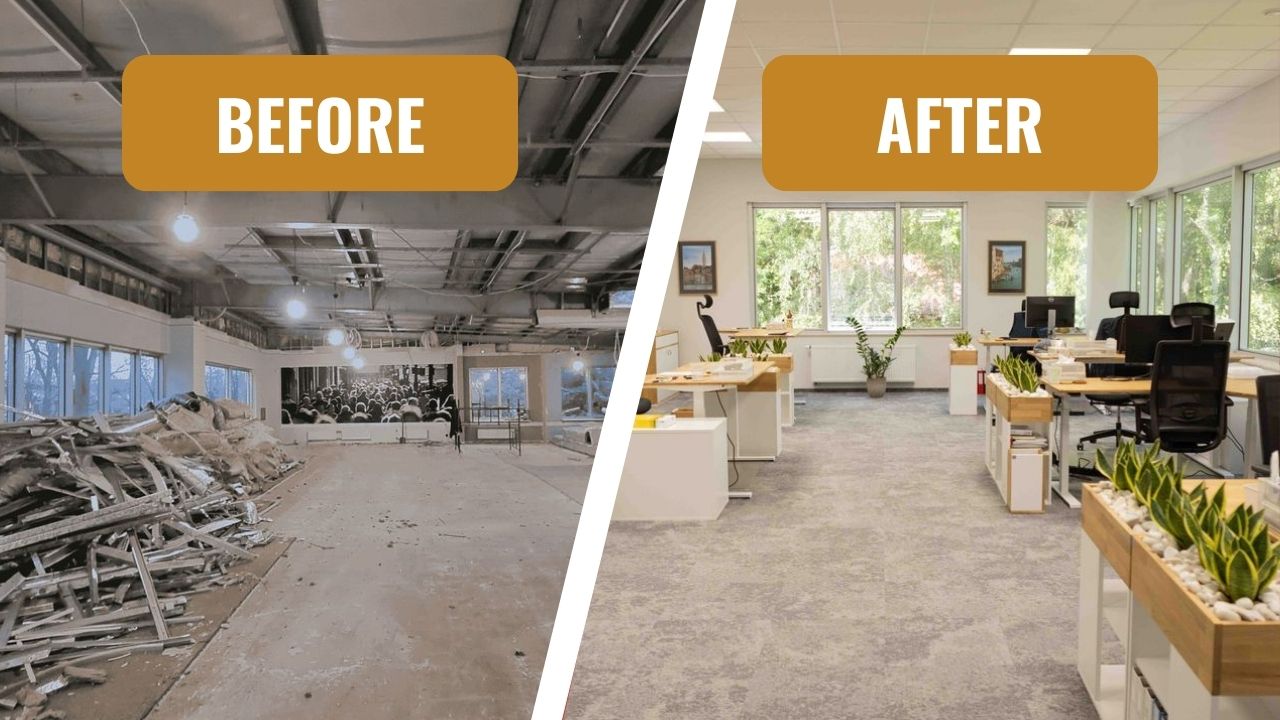

This post came from observing how offices change as teams grow. A well-planned space can make day-to-day work a lot easier and allows you to react calmly to changes instead of constantly adapting to them.

An office is rarely a “forever” space. Companies grow, teams change, new roles emerge, different ways of working and new challenges arise. What seems sufficient and well-planned at first, over time begins to function differently in daily practice. Despite this, many offices are designed solely for the current state – the number of employees, current team layout and current needs, without looking at how the space will be used in the future.
Only after some time does it become apparent that the office has not kept up with the changes. There is not enough room for new positions, the space is not conducive to collaboration or, on the contrary, does not allow concentration. Organizational changes, which are a natural part of a company’s development, begin to require constant reorganization and makeshift solutions.
A well-designed office is one that not only meets the needs of the team today, but is prepared for what will happen in a year or two. It’s not about anticipating every scenario, but about creating a space that gives flexibility, freedom of action and the ability to adapt to changing conditions. This approach allows the company to grow without feeling like the office is becoming a constraint instead of a support.
Thinking about the office in the long term
One of the most important elements of office planning is to look at it in the long term. In the beginning, a company often operates with a small team, and the space seems fully sufficient. Over time, however, new people, new roles and new responsibilities emerge, which naturally change the use of the office. The number of workstations grows, the amount of documents and equipment increases, and the daily organization begins to look different than it did at the beginning.
As the company grows, the rhythm of work also changes. What used to be quiet, individual work begins to require more frequent meetings, consultations and teamwork. Needs arise that no one anticipated at the start – conversation spaces, additional workspaces or better organization of storage. An office designed solely for the current state very quickly stops responding to these changes and begins to limit instead of support.
A space planned with growth in mind gives a completely different sense of comfort. It allows you to react calmly to changes without the need for constant rearrangements, makeshift solutions and compromises that reduce the quality of work. Instead of having to “adjust” to the office every time, the office adjusts to the team and its current needs.
Thinking long term in office planning also saves time and costs in the future. A sensibly designed space doesn’t require constant change, because it assumes flexibility and stock from the beginning. This allows the company to focus on growth rather than constantly adapting the environment to changing realities.
Flexible workstations instead of rigid layouts
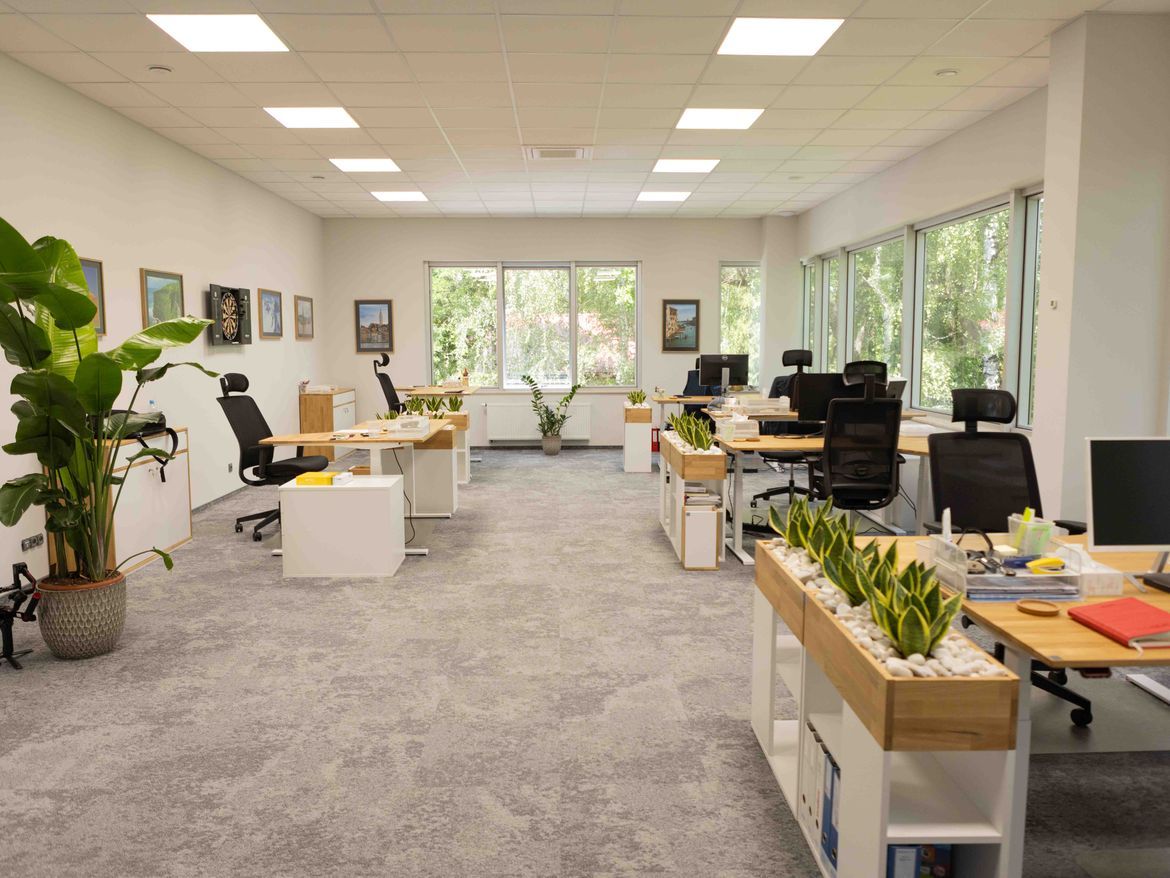
One of the most common problems in growing companies is rigid workstation layouts. Desks set up permanently, with no possibility of easy rearrangement or expansion, seem orderly and comfortable at first. The problem arises when the team begins to grow or the way of working changes. Each new person then means a logistical challenge – you have to combine with the set-up, add makeshift workstations or give up space that was previously needed for other purposes.
Rigid layouts very quickly begin to limit space instead of organizing it. The office ceases to be flexible, and every change requires a lot of time and energy. Instead of naturally adapting to the company’s growth, the space imposes its limitations and forces compromises that take a toll on the team’s comfort.
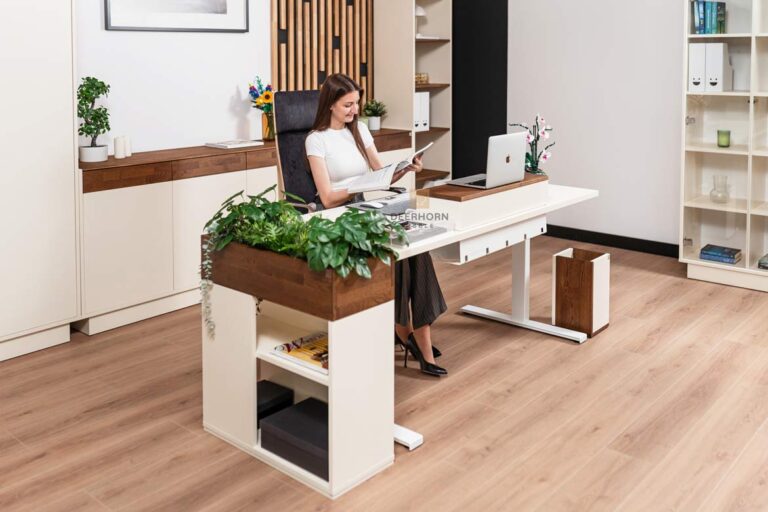
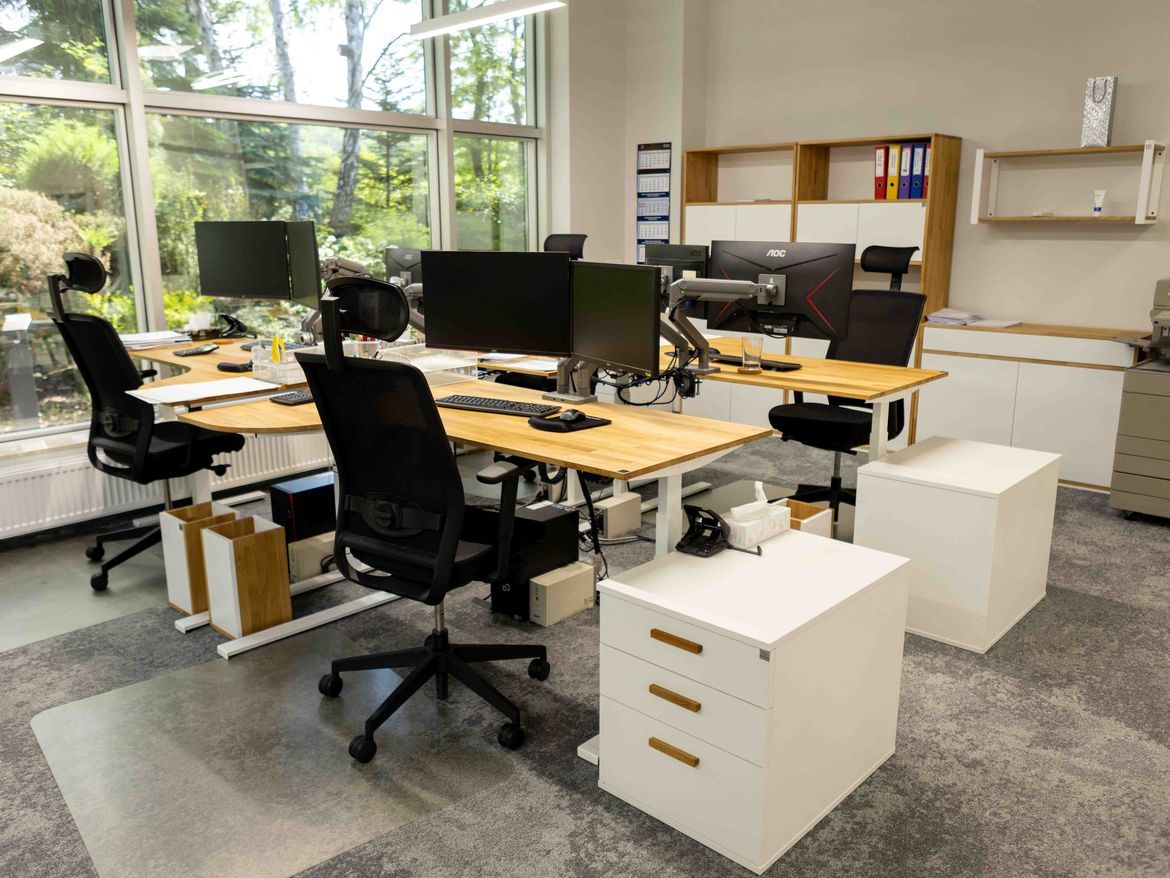
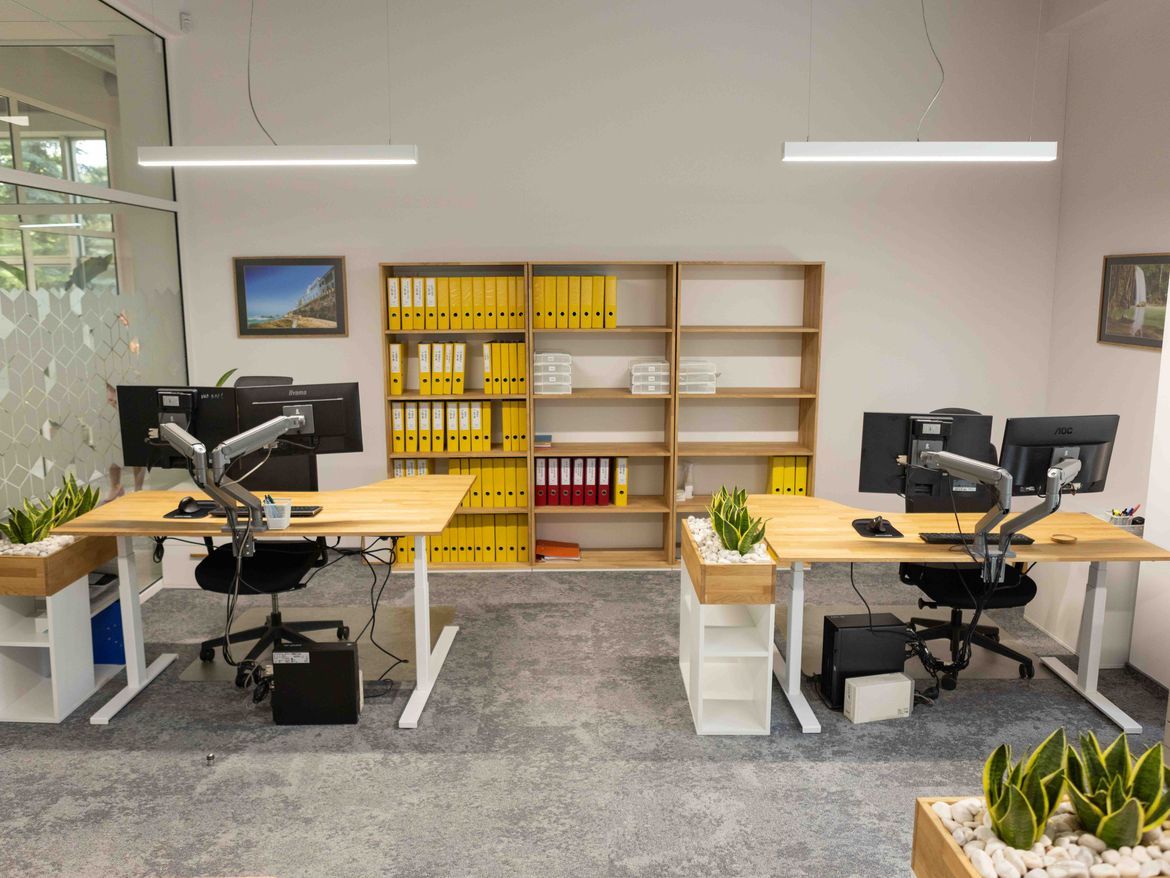
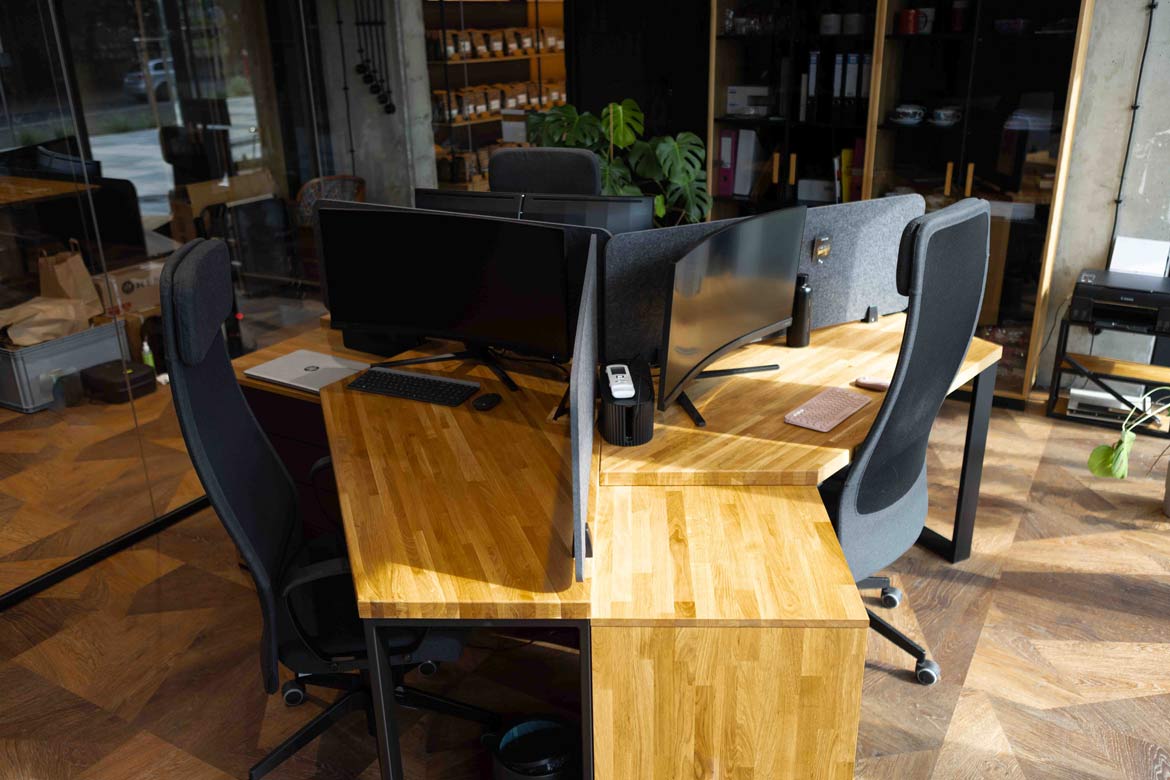
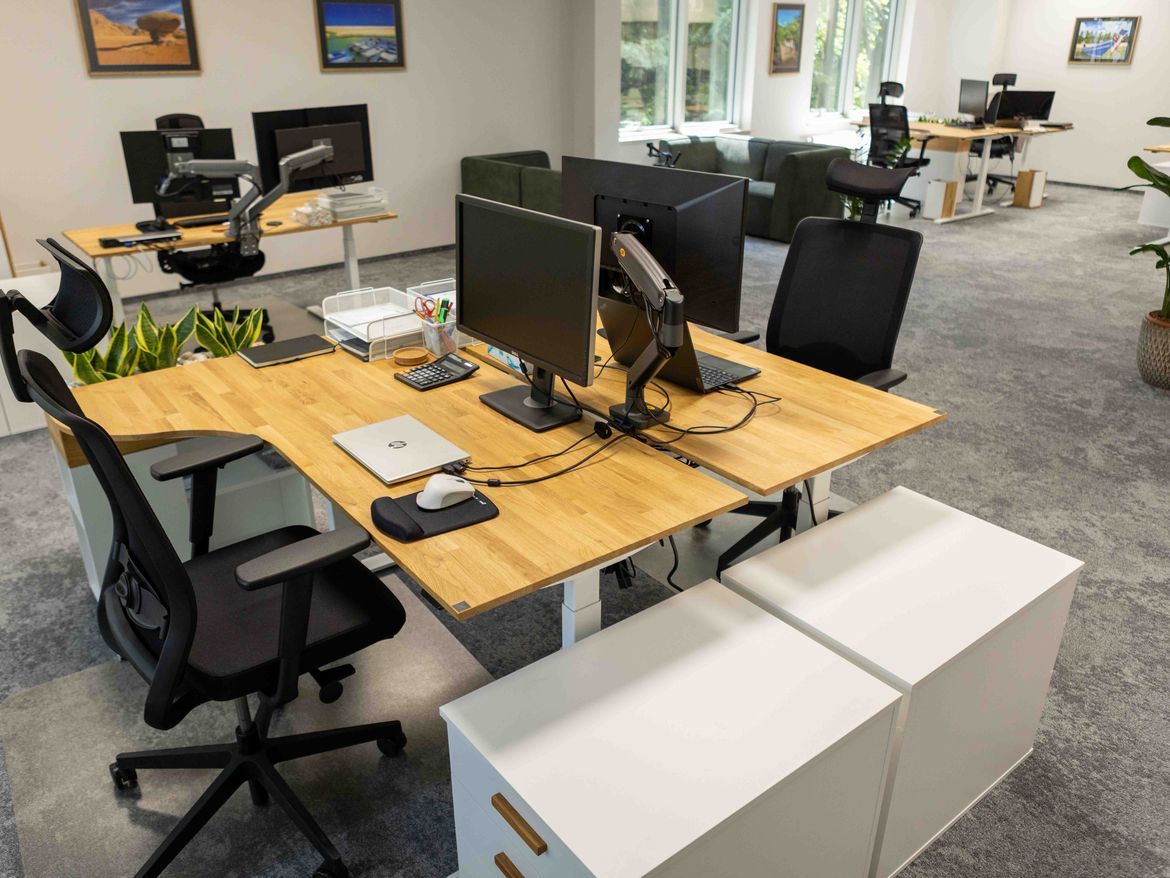
A flexible approach to workstations avoids such situations. The ability to rearrange desks, change their layout or add more elements means that the office can be adapted to current needs on an ongoing basis. The space is then not “closed” to changes, but develops together with the company.
With this approach, new people can be brought into the team without chaos or nervous reorganization. The office remains orderly yet flexible, making both employees and space managers more comfortable. As a result, workstations support the company’s growth instead of slowing it down.
Storage space that grows with the team
As a company grows, there are naturally more things that have to find their place somewhere. There are new projects, new processes, additional materials and equipment that are needed for daily work. If this is not taken into account at the planning stage of the office, the order very quickly begins to “go awry.”
Lacking adequate storage facilities, the workspace is gradually losing its legibility. Desks cease to be a place to work, and begin to serve as makeshift archives. This in turn affects not only the aesthetics, but also the comfort of work and the ease of organizing daily tasks.
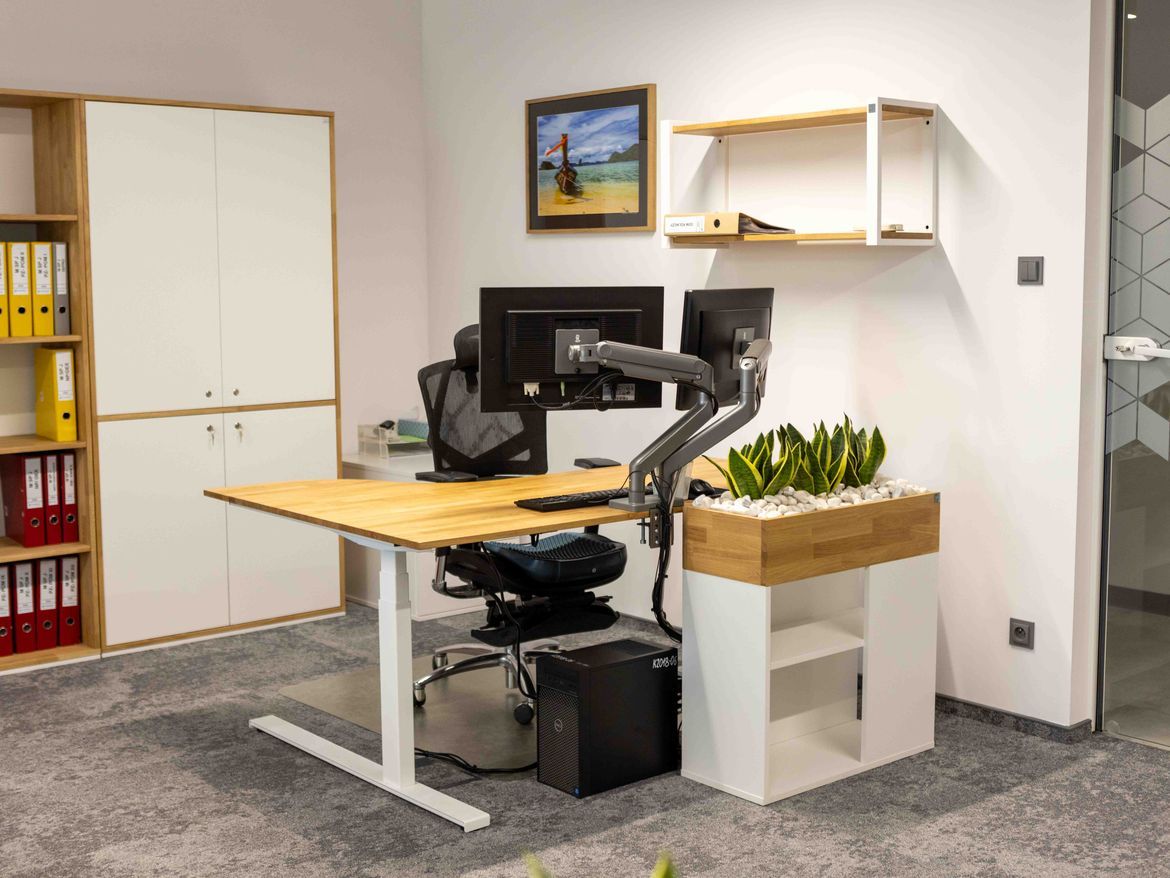
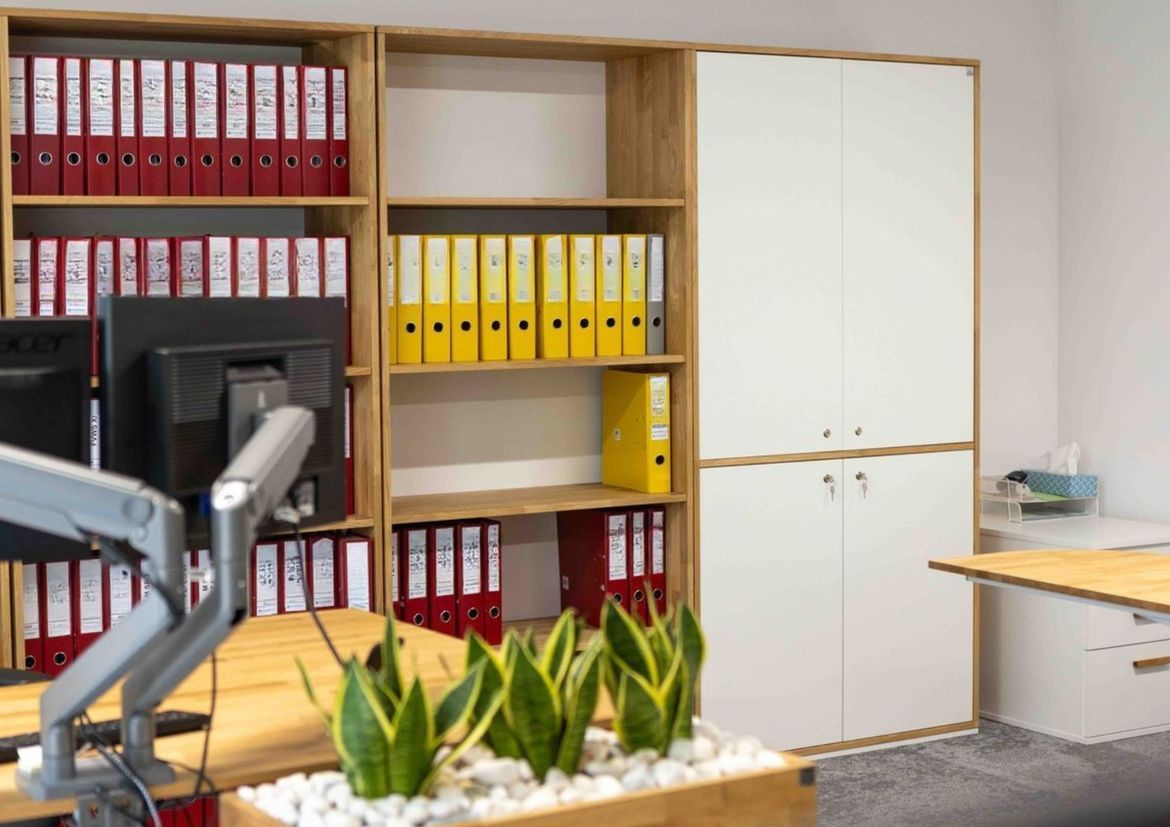
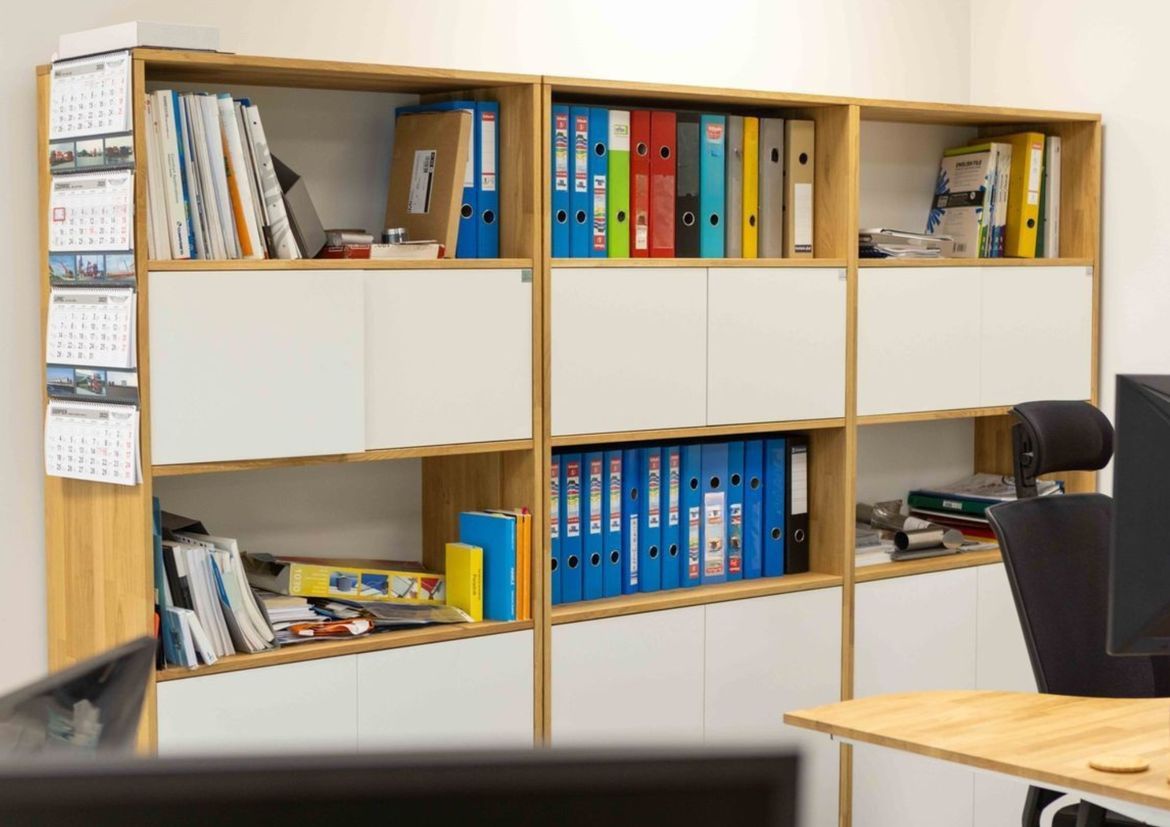
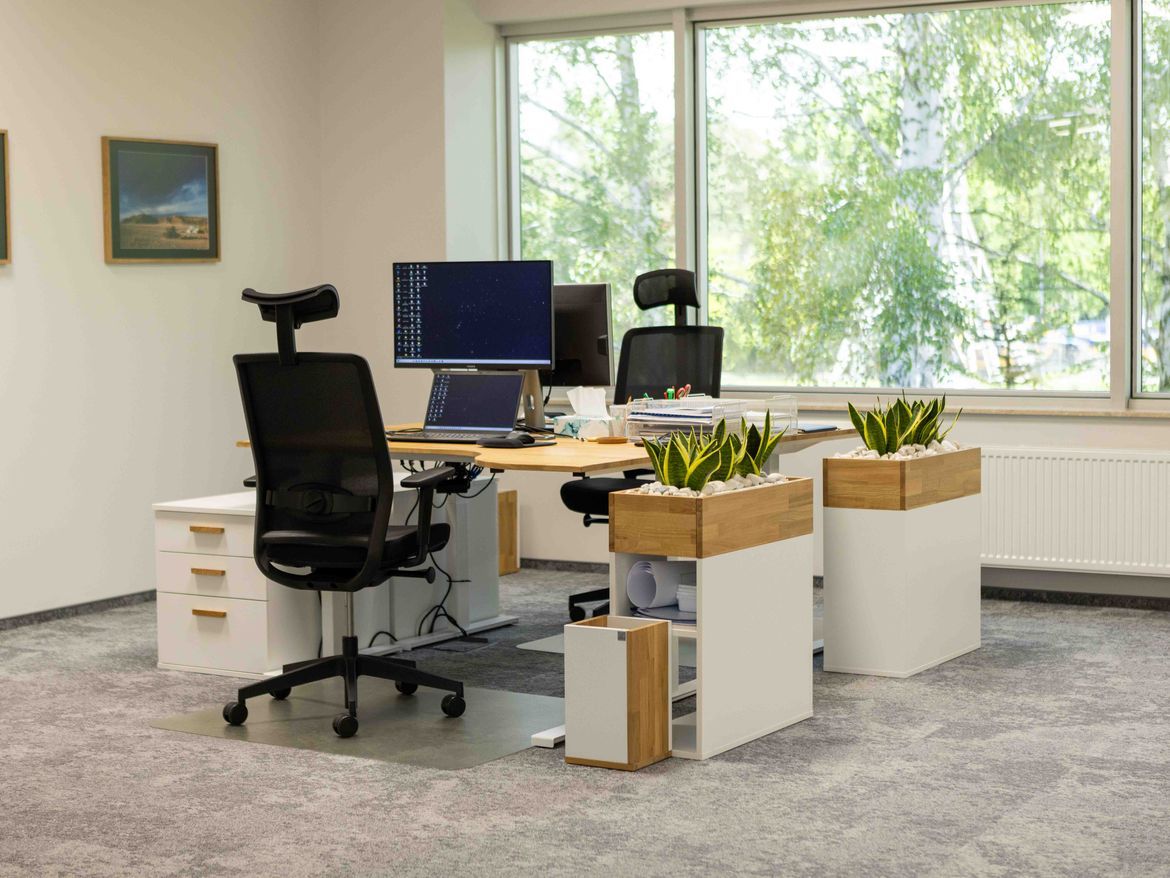
A well-designed office assumes that the needs of the team will change. The storage space should not only respond to current requirements, but give room for growth without constant change. Properly planned cabinets, chests of drawers and pedestals allow you to stay organized even when responsibilities expand and the amount of materials grows.
This approach gives the team a sense of control over the space and eliminates the need to improvise. The office remains orderly and functional, no matter what stage of development the company is in.
Shared space and changing ways of working
As the company grows, the way the team works also changes. Over time, there are team meetings, project work that requires several people to work together, short work conversations, but also moments when silence and full focus are needed. This is a natural process that affects almost every organization, regardless of industry.
An office that doesn’t offer the ability to adapt to these different work modes very quickly becomes uncomfortable. When all tasks must be performed in one unchanging space, chaos and frustration ensue. Employees find it difficult to concentrate, meetings interfere with other people’s work, and the lack of a clear division into different zones makes the office start to work against the team.
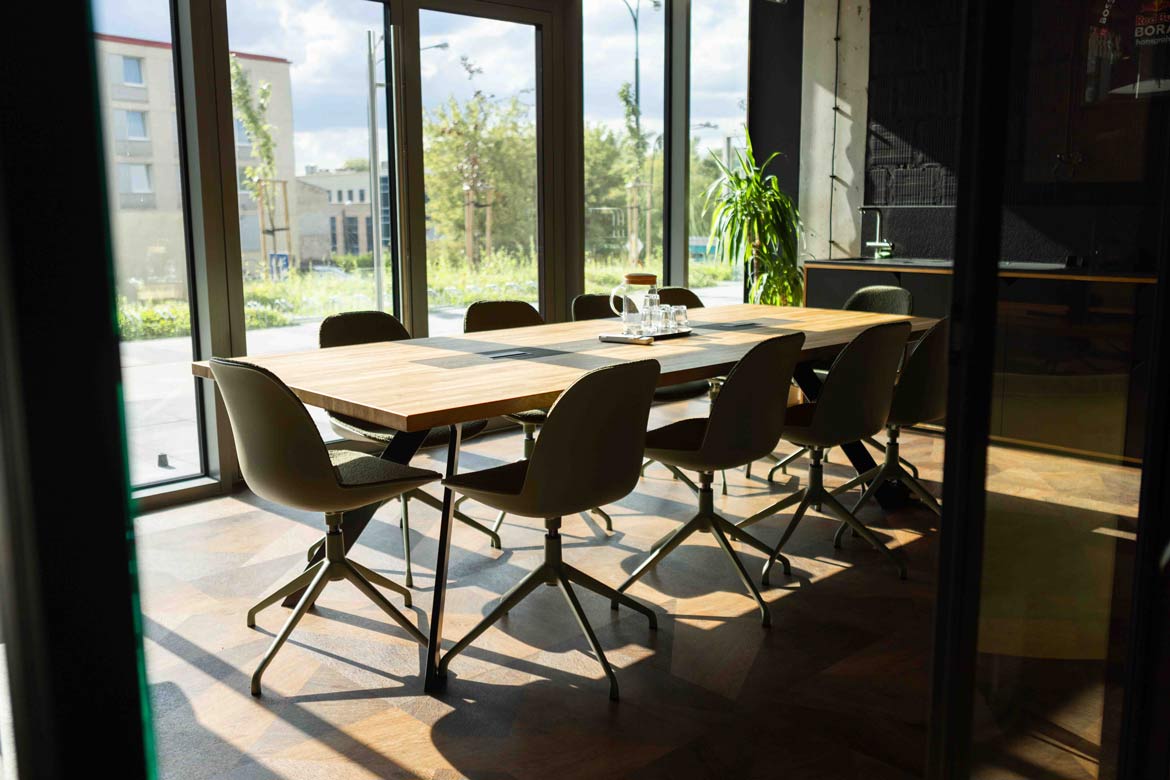
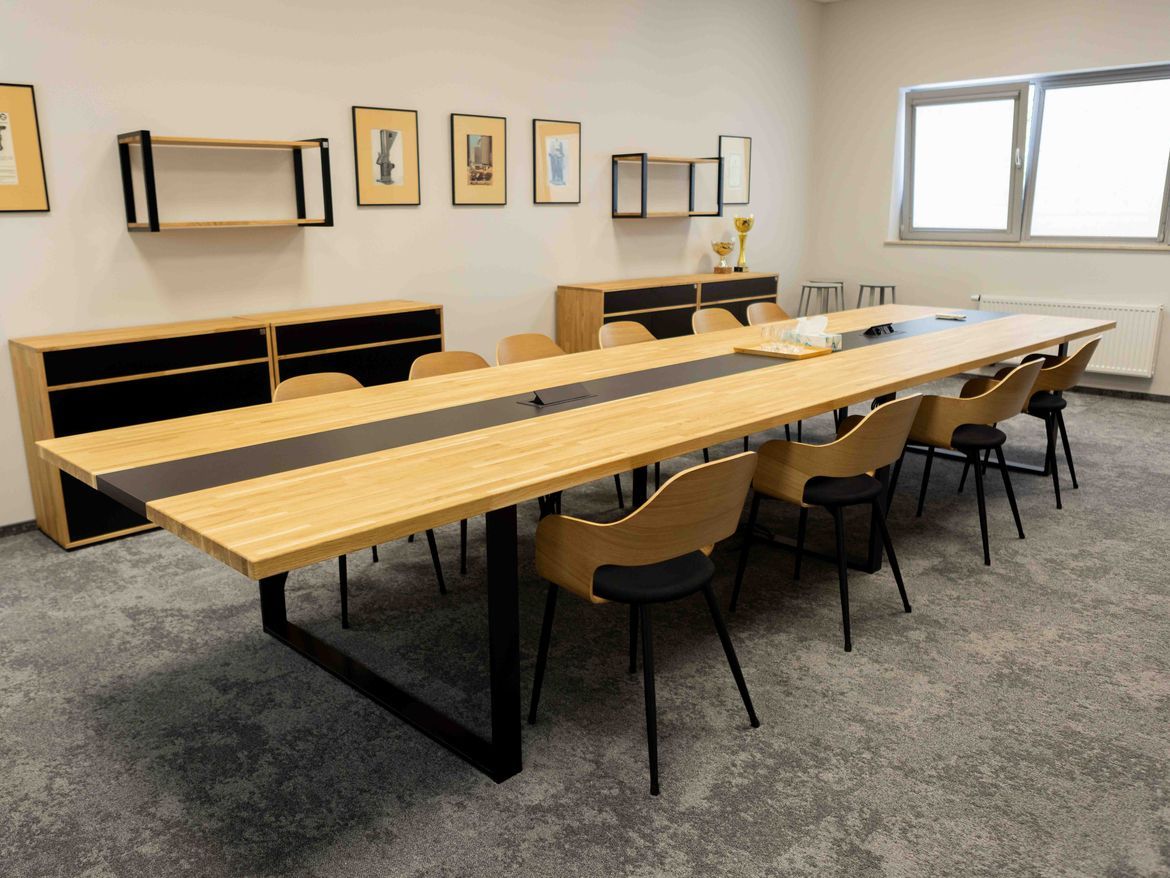
When designing a space, it is worth thinking not only about individual workstations, but also about common areas and the possibility of their flexible use. Places for short meetings, teamwork or quiet conversations allow you to better organize daily duties and reduce tensions arising from the different needs of employees.
Such flexibility means that the team can naturally adapt the way they work to their current tasks, without having to constantly improvise. The office becomes a space that supports different forms of work instead of restricting them, which in the long run translates into better organization and greater comfort for the entire team.
Office ready for technological change
Technology in the office is changing rapidly and has a direct impact on how the space is used. New equipment, additional monitors, other IT solutions or changing technical needs mean that workstations over time begin to look and function differently than they did at the beginning. What was sufficient not long ago no longer meets current requirements after a while.
If the office is not prepared for these changes, technology begins to generate organizational problems. Lack of adequate power supply, insufficient number of outlets or ill-considered cable routing lead to makeshift solutions that quickly create chaos. Cables appear on countertops and under desks, the workspace loses its order, and the comfort of work decreases noticeably.
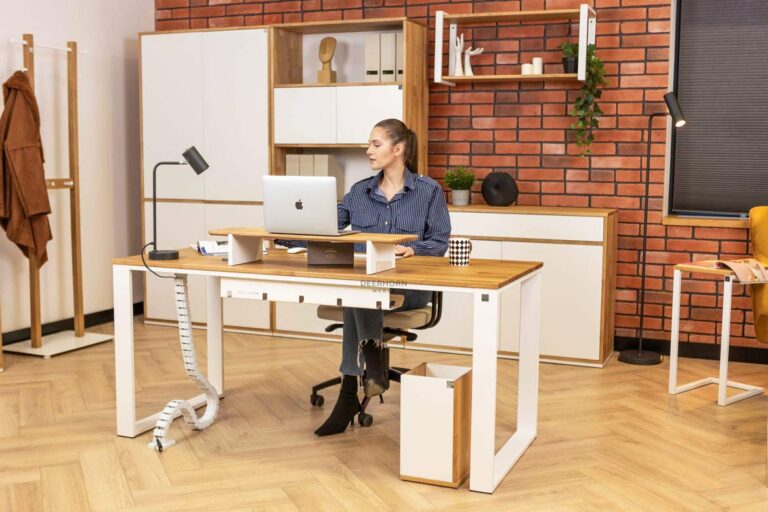
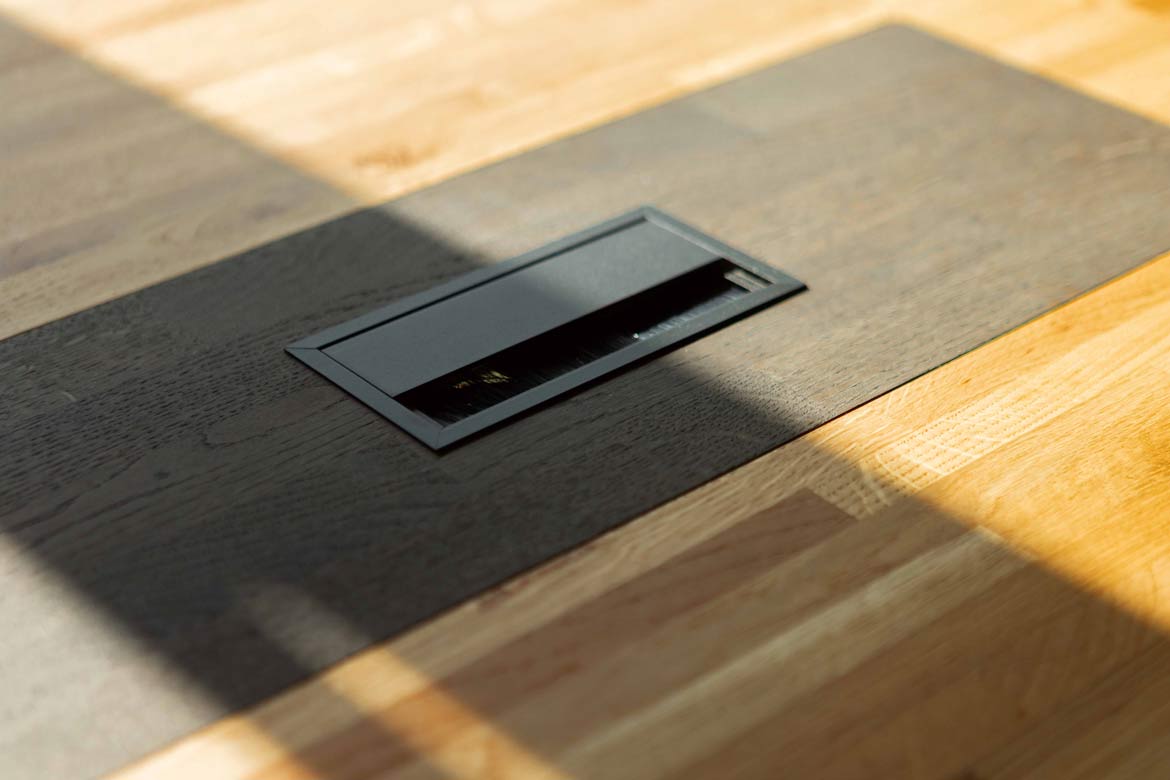
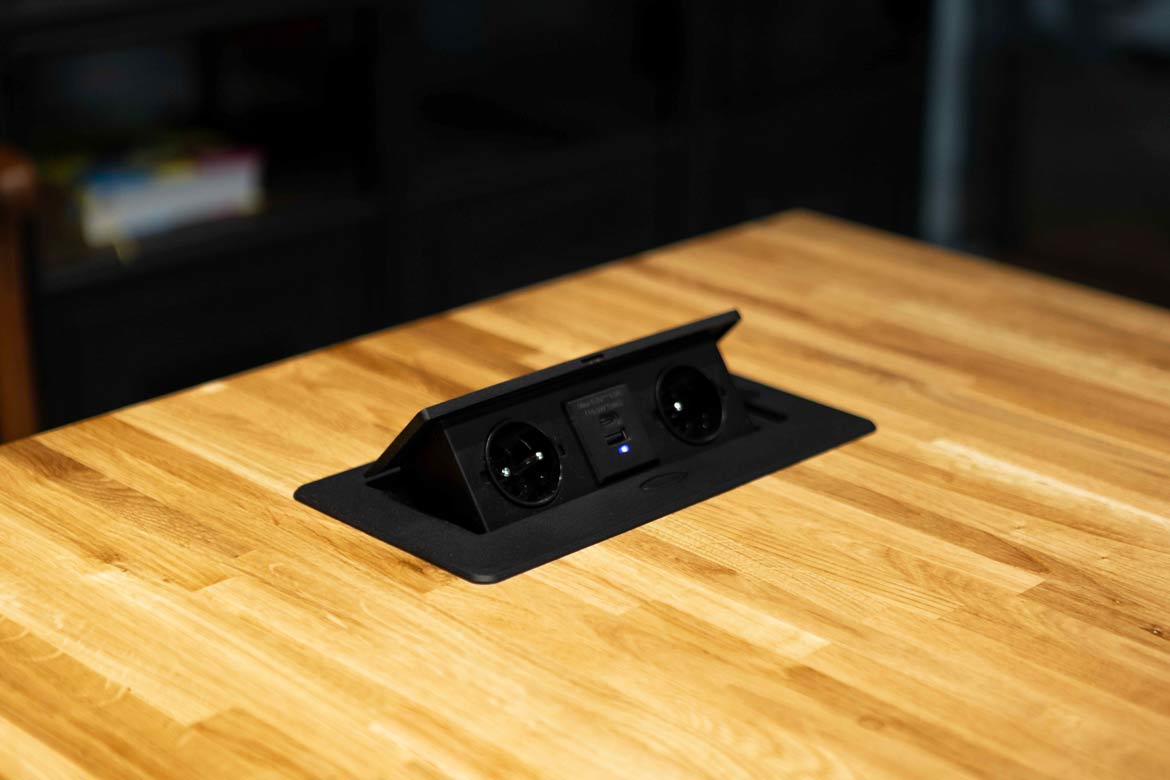
A well-thought-out approach to power, cables and station layout avoids such situations. The proper placement of outlets, the use of cable grommets and grilles, and the logical layout of workstations make it easier for the office to adapt to new technological solutions. Changes in equipment then do not require improvisation or reorganization of the entire space.
As a result, the office remains orderly and functional, even as technology changes. The space not only keeps up with new developments, but even supports them, allowing the team to focus on work instead of constantly dealing with technical limitations.
Work comfort in the long term
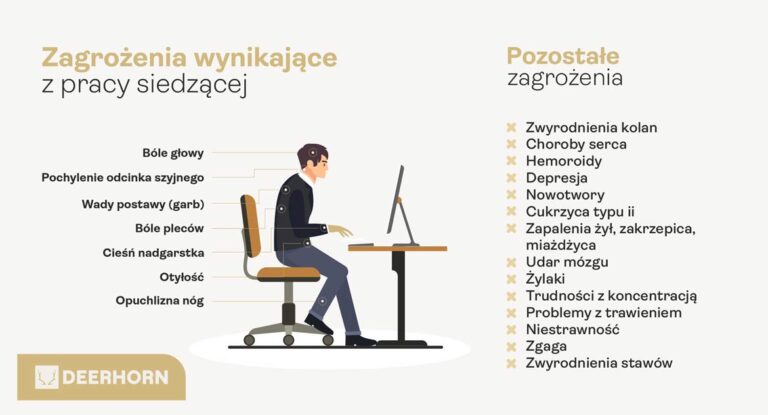
The growth of a company is very often associated with an increased workload for employees. As the number of tasks and responsibilities increases, the time spent at the desk lengthens and the pace of work becomes more intense. In such conditions, the comfort of daily work ceases to be an add-on and becomes a real need that directly affects the functioning of the team.
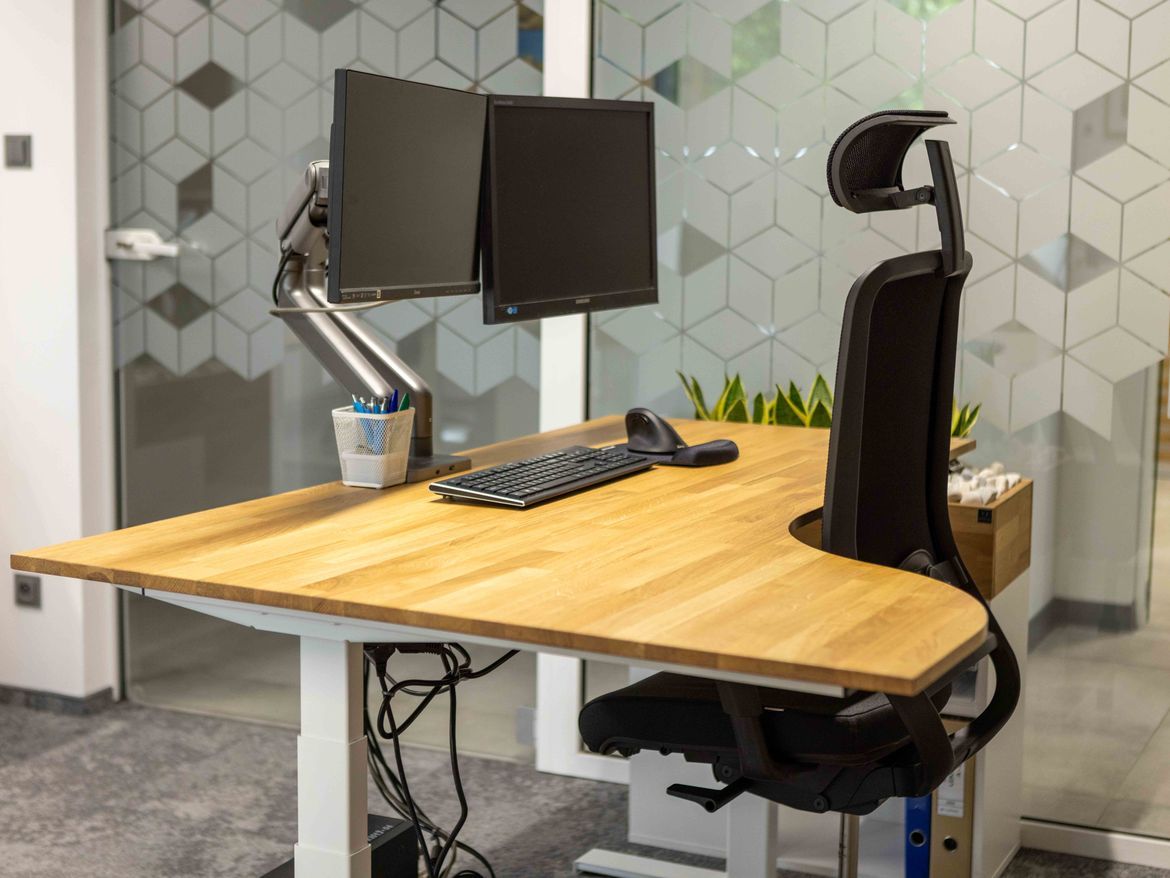
An office that provides the opportunity to change positions throughout the day, organizes space well and does not force constant compromises realistically supports employees in the long run. Thoughtful workstations, adequate space and the ability to customize the space help reduce fatigue and improve concentration. As a result, employees are better able to handle their increasing responsibilities without feeling overwhelmed.
Designing an office with the future in mind is, in practice, an investment in people. A well-planned space affects health, well-being and comfort at work, as well as satisfaction with daily duties. An office that supports the team over the long term becomes an important part of a company’s stable and sustainable growth.
Summary
Preparing an office for change is not about creating the perfect space for today, but about planning one that is flexible and ready for the company’s growth. Thoughtful workstations, adequate storage space and customizable office layouts make the space keep up with the team.
An office designed with the future in mind gives peace of mind and freedom of action. It allows you to focus on the growth of your business, instead of constantly adapting the space to new needs.
FAQ
How do you design an office that is ready for business growth?
An office should be designed with future changes in mind, not just the current state of the team. Flexible workstation layouts, spare storage space, and the ability to easily reorganize allow you to adapt the space to your growing needs without constant rework.
Why are flexible workstations so important?
Flexible workstations allow you to respond quickly to changes in your team and the way you work. With the ability to rearrange desks and modify the layout of the office, the space grows with the company instead of limiting it.
How do you plan storage in an office that is growing?
Storage space should include a provision for future needs. Cabinets, dressers and pedestals selected with team growth in mind help keep things organized and prevent documents from starting to occupy workstations.
Is it worthwhile to anticipate different ways for the team to work?
Yes, because as the company grows, the rhythm of work changes. The office should allow for individual work, as well as team meetings or short work conversations. Flexible common areas improve comfort and organization of work.
How to prepare the office for technological changes?
It’s worth taking care of proper power distribution, cable feed-throughs and logical station layout. This way, new equipment and IT solutions can be introduced without chaos and makeshift solutions.
How does the office affect comfort in the long run?
A well-designed space reduces fatigue and helps maintain focus even with increasing workloads. The ability to adjust positions and change positions throughout the day supports the health and well-being of the team.
Does designing an office with the future in mind really pay off?
Yes, because it avoids costly redesign and reorganization in the future. An office planned for the long term gives the company more freedom to grow and a stable working environment.